Engineering & Public Works Roadshow at Mobile International Airport Recap

MOBILE, AL (May 21, 2026) – The new Mobile International Airport, expected to open in spring 2027, was showcased by the Engineering & Public Works Roadshow, a national initiative highlighting major infrastructure projects that strengthen communities. The airport project is the first Alabama site featured by the Roadshow, which has recognized more than 20 projects nationwide since 2022.

Designed to support Mobile’s growth as a multimodal hub for the Southeast, the new airport will relocate commercial passenger service from west Mobile to downtown Mobile. Opening with five gates and the ability to expand to 12, the facility will connect directly to local interstates, railroads, and the Port of Mobile, creating new opportunities for economic development and improving regional transportation efficiency.

Mobile leaders described the airport as a transformational investment for the city and region. Mayor Spiro Cheriogotis said the project will improve tourism, strengthen connectivity, and enhance economic development opportunities. Officials with the Mobile Airport Authority also emphasized the strong partnerships among local, state, and federal agencies, along with private sector support, that made the project possible.

Representatives from ACEC, APWA, and ASCE noted that the airport demonstrates the long-term value of infrastructure investment and regional planning. The Engineering & Public Works Roadshow, a joint initiative of the three organizations, highlights projects and professionals that improve quality of life, strengthen resilience, and support long-term economic growth in communities across the country.

“Infrastructure is a system of systems, and the compatibility of one component of the network with the other largely determines how well our built environment is able to serve us,” said ASCE Alabama Section President Taylor Janney. “The new terminal building is far more integrated in Mobile’s highways, port, railroads, and city center, which doesn’t just improve the air travel experience – it makes each of those systems work more efficiently as we move people and goods across the region, country, and world.”

Alabama Strengthens Dam Safety Oversight with SB378

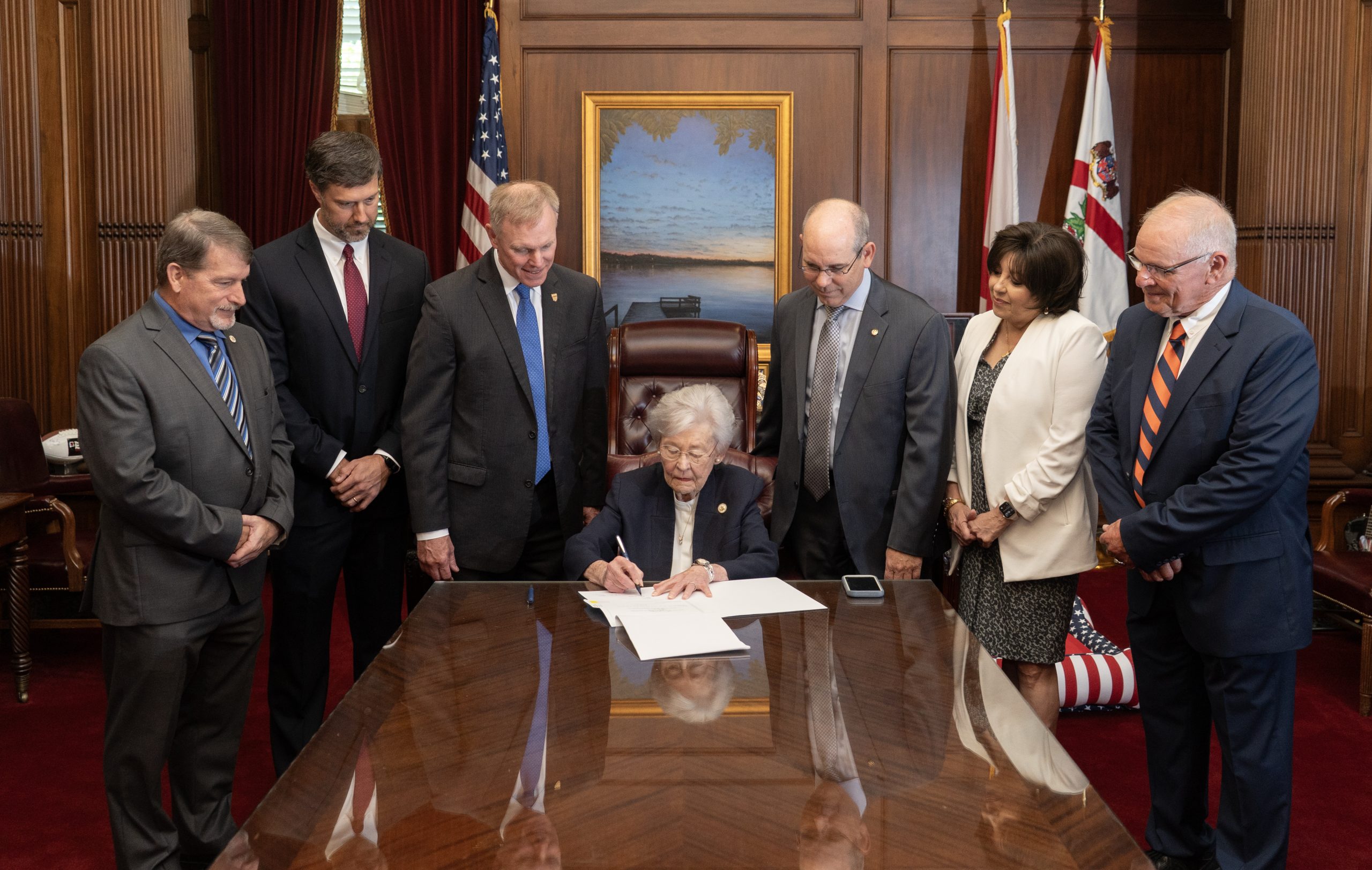
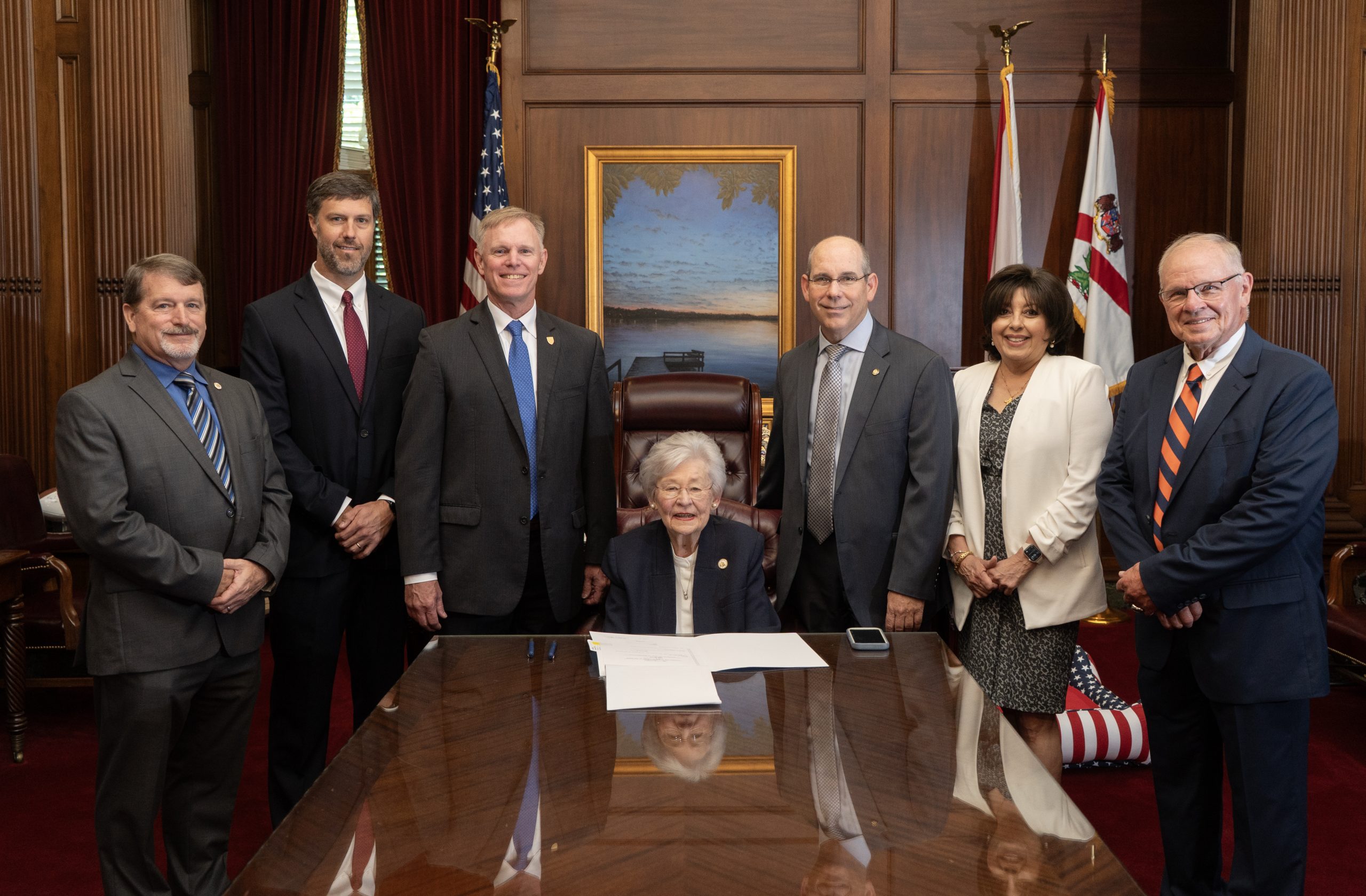
Photo L to R: Jeff Smitherman (Director, State of Alabama Emergency Management Agency), Chris Crawford (TTL, ACEC Representative), Lawren Pratt (Barge, ASCE Representative), Governor Kaye Ivey, Senator Clyde Chambliss, Renee Casillas (ACEC), and Steve Newton (TTL, ASCE Representative)

Monday, May 18, 2026 – Leaders from the American Society of Civil Engineers of the Alabama Section and the American Council of Engineering Companies of Alabama joined Governor Kay Ivey for the ceremonial signing of Senate Bill 378. The legislation was sponsored by Senator Clyde Chambliss, a civil engineer and the only licensed professional engineer currently serving in the Alabama Legislature.

The signing marks another major step forward for dam safety in Alabama following passage of the Alabama Safe Dams Act (Act #2023-414), which ended Alabama’s distinction as the only state in the nation without a Dam Safety Act. The achievement came after more than a decade of advocacy by legislators and civil engineering leaders focused on improving public safety.

The Alabama Safe Dams Act established several important requirements, including:

  • Regular inspections of dams and reservoirs by professional engineers licensed in Alabama

  • Emergency Action Plans (EAPs) for high and significant hazard potential dams

  • Notification requirements for new dam construction and enlargements

In April 2026, the Alabama Legislature passed SB378, further strengthening the program by transferring administration of the Alabama Dam Safety Program from local emergency management agencies to the Alabama Emergency Management Agency (AEMA).

Under the new law, AEMA becomes the sole administrator of the state’s dam safety program and is authorized to establish rules, approval procedures, and fees related to dam safety oversight. The legislation also requires plans for the construction, modification, or removal of dams to be submitted directly to AEMA for approval.

Engineering leaders across Alabama view the legislation as a significant advancement in protecting public safety and improving statewide coordination for dam infrastructure oversight.